
AI SDLC Predictions for 2026: Why This Is the Year the Bill Comes Due
A VC shares 5 AI SDLC predictions for 2026: the bottleneck shifts from writing to verifying, the technical debt hangover arrives, and AI spend finally gets tied to business value.
One billion commits pushed to GitHub in a single year. A 25% jump year-over-year. The AI-native SDLC revolution has been absolutely raging.
But here's what I keep telling the founders and engineering leaders I work with: 2026 isn't going to be about writing more code. It's going to be about reckoning with all the code we've already written.
The organizations that built their AI native software development lifecycle around speed are about to discover that velocity without verification is technical debt in disguise.
What Is AI Native SDLC — And Why 2026 Changes Everything
An AI native SDLC is a software development lifecycle where artificial intelligence is embedded at every stage — from requirements gathering and code generation to testing, deployment, and maintenance. Unlike bolt-on AI tools, an integrated SDLC treats AI as a first-class participant in the engineering workflow.
For the past two years, most organizations focused their AI native SDLC investments on one thing: code generation. Cursor, Claude Code, GitHub Copilot — these tools fundamentally altered what a single engineer can produce in a day.
But code generation was the easy part. 2026 is when the integrated SDLC becomes mandatory — because without it, the code we've generated becomes ungovernable.
5 AI SDLC Shifts Every Engineering Leader Should Watch in 2026
Based on where I see the market heading — and what the smartest investors and operators are predicting — here are the shifts that will define AI-powered software development this year:
Prediction 1: The Bottleneck Shifts from Writing to Verifying
"Coding verification and testing becomes the bottleneck as code generation becomes easy." — Battery Ventures
This is the single biggest change in the AI SDLC for 2026. Teams must rethink how product definition, coding, and testing fit together. AI coding tools that only generate features will hit a ceiling — the winners will be tools that understand broader systems, infrastructure, and legacy constraints.
What this means for engineering leaders: Your testing and QA strategy needs the same investment you gave code generation in 2024-2025.
Prediction 2: The Technical Debt Hangover Arrives
"A technical-debt hangover from AI-generated code leads to code clean-up agents that refactor, debug, standardize, and maintain large codebases." — Bessemer Venture Partners
I've seen this firsthand. Engineers are writing code in languages they don't fully understand, shipping features at unprecedented velocity, and accumulating debt they can't even see yet. The code works. The tests pass. But the cognitive gap between what was generated and what the team actually comprehends is widening every sprint.
What this means for engineering leaders: Expect a new category of AI-powered maintenance tools to emerge. Budget for codebase governance, not just codebase growth.
Prediction 3: AI Spend Finally Gets Tied to Business Value
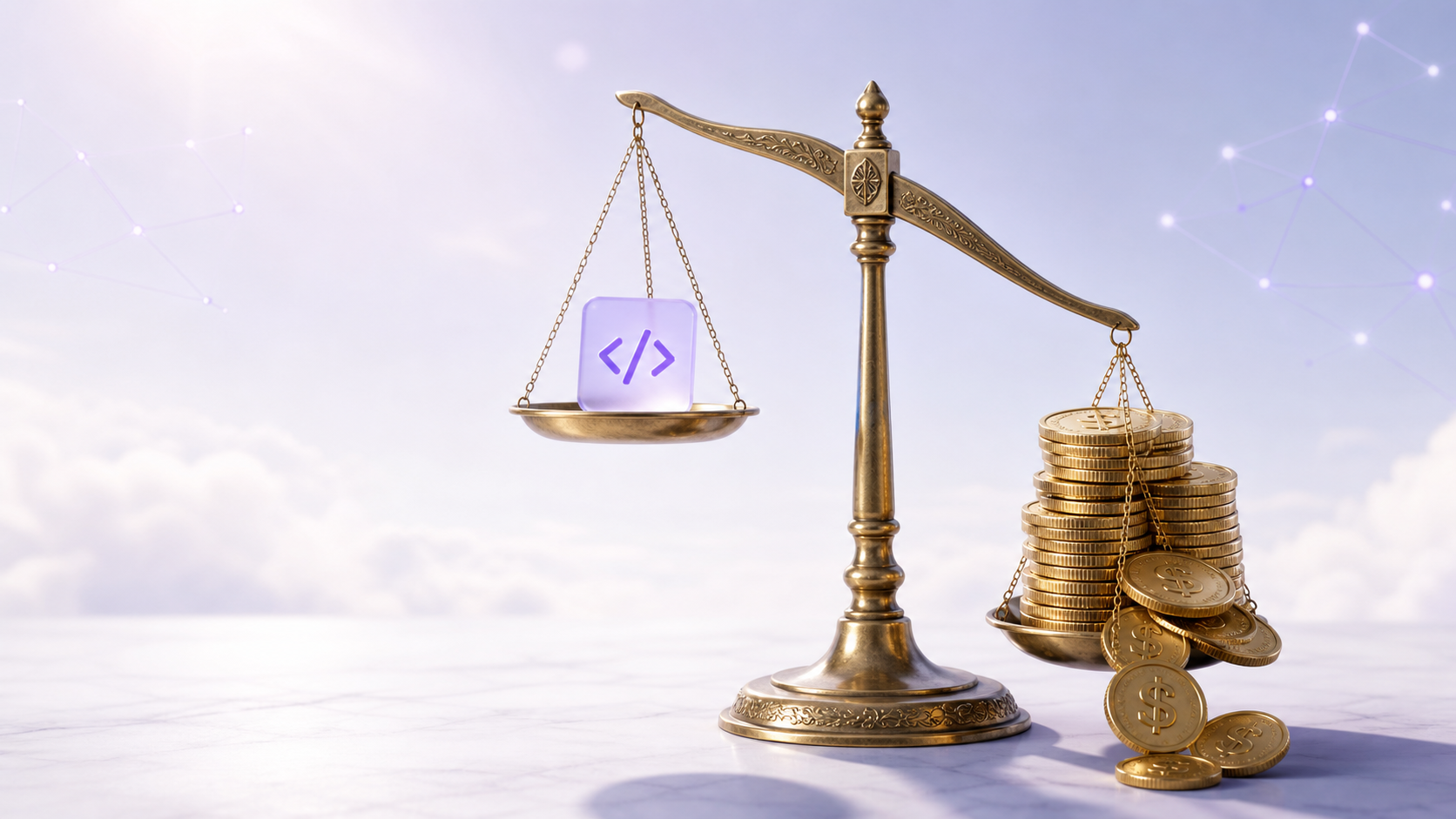
"In 2026, there's going to have to be some kind of reckoning in tying AI spend to business value. Because AI is only going to suspend disbelief for so long before the bill comes due." — Corey Quinn
This is the conversation I have with nearly every portfolio company. Are you actually measuring the business value of your AI investments? Or are you running on vibes?
Tokens consumed, code generated, features shipped — those are input metrics. They tell you nothing about customer adoption, production stability, or whether velocity translates into value.
What this means for engineering leaders: Instrument your AI native SDLC for outcomes, not outputs. Correlate engineering activity with business results or lose your seat when the music stops.
Prediction 4: Repository Intelligence Becomes the New Competitive Edge
"Repository intelligence — AI that understands not just lines of code but the relationships and history behind them — helps make smarter suggestions, catch errors earlier, and automate routine fixes." — Mario Rodriguez, GitHub CPO
This is exactly the kind of integrated SDLC tooling we need. Not just more code generation, but genuine comprehension of codebases at scale. Context-aware AI that can figure out what changed, why, and how pieces fit together.
What this means for engineering leaders: Evaluate AI tools on contextual understanding, not just generation speed. The best AI SDLC platforms in 2026 will know your codebase, not just code in general.
Prediction 5: The Day Zero vs. Day Two Gap Becomes Existential
This is a framework I use constantly when advising companies, and it's never been more relevant.
Day zero is everything shift-left — the tools and processes you use to build software. Day two is everything post-production: observability, maintainability, security, cost control, incident recovery.
For two years, we've poured rocket fuel into day zero. But that code still has to run somewhere. It still has to be monitored. When something breaks at 2 AM, someone still has to understand what went wrong.
The day two infrastructure in most organizations hasn't kept pace. 2026 is when that gap becomes a crisis.
The Accountability Problem AI Can't Solve
Here's what no AI native SDLC can automate away: accountability.
There's a saying attributed to IBM: the computer can never be held accountable. When AI generates code and something goes wrong in production, the engineer who signed off is still on the hook. You can't throw your hands up and say "Claude wrote it."
This means the role of the software engineer is evolving:
- Less time writing code from scratch
- More time reviewing, verifying, and understanding architecture
- Greater responsibility for day two consequences of day zero velocity
The integrated SDLC of 2026 must include governance and accountability structures — not just generation capabilities.
Why I'm Still Bullish: Jevons Paradox and the AI SDLC
Despite the reckoning ahead, I don't believe this means fewer software engineers or less software being written. Quite the opposite.
Jevons paradox — the 150-year-old economic principle that efficiency gains increase rather than decrease demand — applies here in full force. When steam engines became more efficient, coal consumption exploded because suddenly you could do so much more.
The same will be true for AI-powered software development. Yes, the bottleneck is shifting. Yes, the work is changing. But the demand for software — and for humans who can architect, govern, and be accountable for that software — isn't going anywhere.
Five to ten years from now, there will be two to three times more software engineers in the world than there are today. And they'll create more value than ever before.
But only if we build the day two muscle now. Only if we take measurement seriously. Only if we remember that no matter how sophisticated the AI native SDLC becomes, accountability still has a human face.
The Bottom Line for 2026
The AI code generation party was fun. Now it's time to clean up.
Engineering leaders who want to survive the 2026 reckoning should:
- Rebalance investment from code generation to verification, testing, and maintenance
- Instrument for outcomes — tie AI spend to business value, not activity metrics
- Close the day two gap — observability and governance can't be afterthoughts
- Prepare for the accountability question — someone is always on the hook
The organizations that treat their AI SDLC as an integrated system — not just a collection of generation tools — will be the ones still standing when the bill comes due.
Alok Nandan is a General Partner at First Ray Ventures, a seed-stage fund investing in developer tools, DevOps, and infrastructure companies. He previously held product and engineering leadership roles at Microsoft and multiple Silicon Valley startups. Connect with him on LinkedIn.
Table of contents
/ get started /